

NL

Source:NU.nl - Job van der Plicht
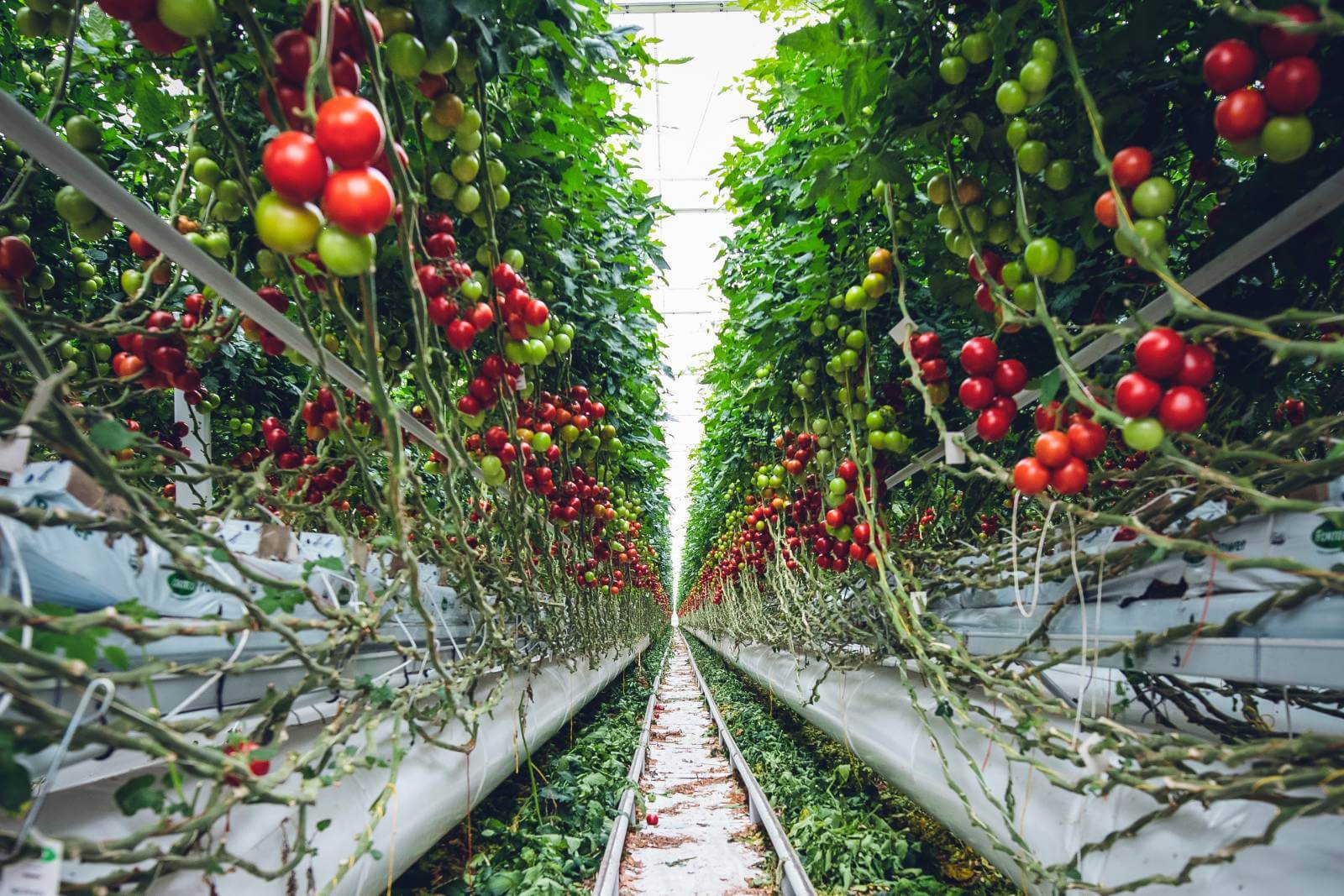
The Dutch Food and Consumer Product Safety Authority (NVWA) is very concerned about the way pesticides are used in Dutch tomato cultivation. The food watchdog says growers regularly violate laws and regulations.
The NVWA conducted inspections at dozens of tomato growers. The companies that did not use the pesticides according to the rules were fined.
NVWA inspectors found, among other things, that growers were cleaning water pipes in greenhouses the wrong way. To prevent fungi and bacteria from accumulating in the pipes, growers flush pipes with hydrogen peroxide. Some growers do this with hydrogen peroxide to which silver has been added to ensure that the agent works longer.
The use of that pesticide is permitted, but the condition is that after use the pipes must be drained and rinsed. Only then is clean water allowed through the pipes that reaches the plants in the greenhouse.
This is a requirement of the Board for the Authorization of Plant Protection Products and Biocides (Ctgb). This is the only way to test whether the drug is safe to use. Growers may not deviate from it.
Yet growers regularly deviate from what is allowed, NVWA inspectors found. They saw that in tomato greenhouses, hydrogen peroxide with silver regularly ran continuously through the pipes together with water.
The tomatoes from those greenhouses the NVWA has designated as "possibly unsafe." According to a spokesman, this is because it is not clear whether there are food safety risks. "Hydrogen peroxide itself has been assessed and there the risks are limited," he said. The effects of the added silver are unknown, hence the addition "possibly unsafe."
Since substances have been used in the tomato crops of the controlled farms that are not authorized in this way, it must be demonstrated that the product is safe. Therefore, the tomatoes have been tested. Hydrogen peroxide and silver were not found in the products and are therefore allowed to be sold as usual.
The NVWA is holding talks with industry association Glastuinbouw Nederland about the violations in greenhouse farming. The NVWA calls the inspectors' observations "very worrisome." There were "many violations of biocide laws and regulations."
NVWA insists to Glastuinbouw Nederland that biocides are only safe to use if growers comply with the regulations. Chairman Adri Bom-Lemstra of Glastuinbouw Nederland confirms that talks are indeed being held with the NVWA. "Growers will be included in the outcome," she said.
By applying ozone in the irrigation system chain, biofilm in the piping system is controlled and removed. This particular application falls under Biocide legislation and has therefore been extensively tested and substantiated as part of the ongoing Biocide dossier, which recognizes ozone as an active ingredient. Application of ozone therefore avoids the over-application of chemicals and/or hydrogen peroxide and poses no obstacle to food safety. Ozone (O3) has a short shelf life and quickly decays to the harmless oxygen.
For opportunities for sustainable approaches to biofilm, contact one of our account managers!
Source:NU.nl - Job van der Plicht
The Dutch Food and Consumer Product Safety Authority (NVWA) is very concerned about the way pesticides are used in Dutch tomato cultivation. The food watchdog says growers regularly violate laws and regulations.
The NVWA conducted inspections at dozens of tomato growers. The companies that did not use the pesticides according to the rules were fined.
NVWA inspectors found, among other things, that growers were cleaning water pipes in greenhouses the wrong way. To prevent fungi and bacteria from accumulating in the pipes, growers flush pipes with hydrogen peroxide. Some growers do this with hydrogen peroxide to which silver has been added to ensure that the agent works longer.
The use of that pesticide is permitted, but the condition is that after use the pipes must be drained and rinsed. Only then is clean water allowed through the pipes that reaches the plants in the greenhouse.
This is a requirement of the Board for the Authorization of Plant Protection Products and Biocides (Ctgb). This is the only way to test whether the drug is safe to use. Growers may not deviate from it.
Yet growers regularly deviate from what is allowed, NVWA inspectors found. They saw that in tomato greenhouses, hydrogen peroxide with silver regularly ran continuously through the pipes together with water.
The tomatoes from those greenhouses the NVWA has designated as "possibly unsafe." According to a spokesman, this is because it is not clear whether there are food safety risks. "Hydrogen peroxide itself has been assessed and there the risks are limited," he said. The effects of the added silver are unknown, hence the addition "possibly unsafe."
Since substances have been used in the tomato crops of the controlled farms that are not authorized in this way, it must be demonstrated that the product is safe. Therefore, the tomatoes have been tested. Hydrogen peroxide and silver were not found in the products and are therefore allowed to be sold as usual.
The NVWA is holding talks with industry association Glastuinbouw Nederland about the violations in greenhouse farming. The NVWA calls the inspectors' observations "very worrisome." There were "many violations of biocide laws and regulations."
NVWA insists to Glastuinbouw Nederland that biocides are only safe to use if growers comply with the regulations. Chairman Adri Bom-Lemstra of Glastuinbouw Nederland confirms that talks are indeed being held with the NVWA. "Growers will be included in the outcome," she said.
By applying ozone in the irrigation system chain, biofilm in the piping system is controlled and removed. This particular application falls under Biocide legislation and has therefore been extensively tested and substantiated as part of the ongoing Biocide dossier, which recognizes ozone as an active ingredient. Application of ozone therefore avoids the over-application of chemicals and/or hydrogen peroxide and poses no obstacle to food safety. Ozone (O3) has a short shelf life and quickly decays to the harmless oxygen.
For opportunities for sustainable approaches to biofilm, contact one of our account managers!
What to do before 2023 & 2027?

.svg)

